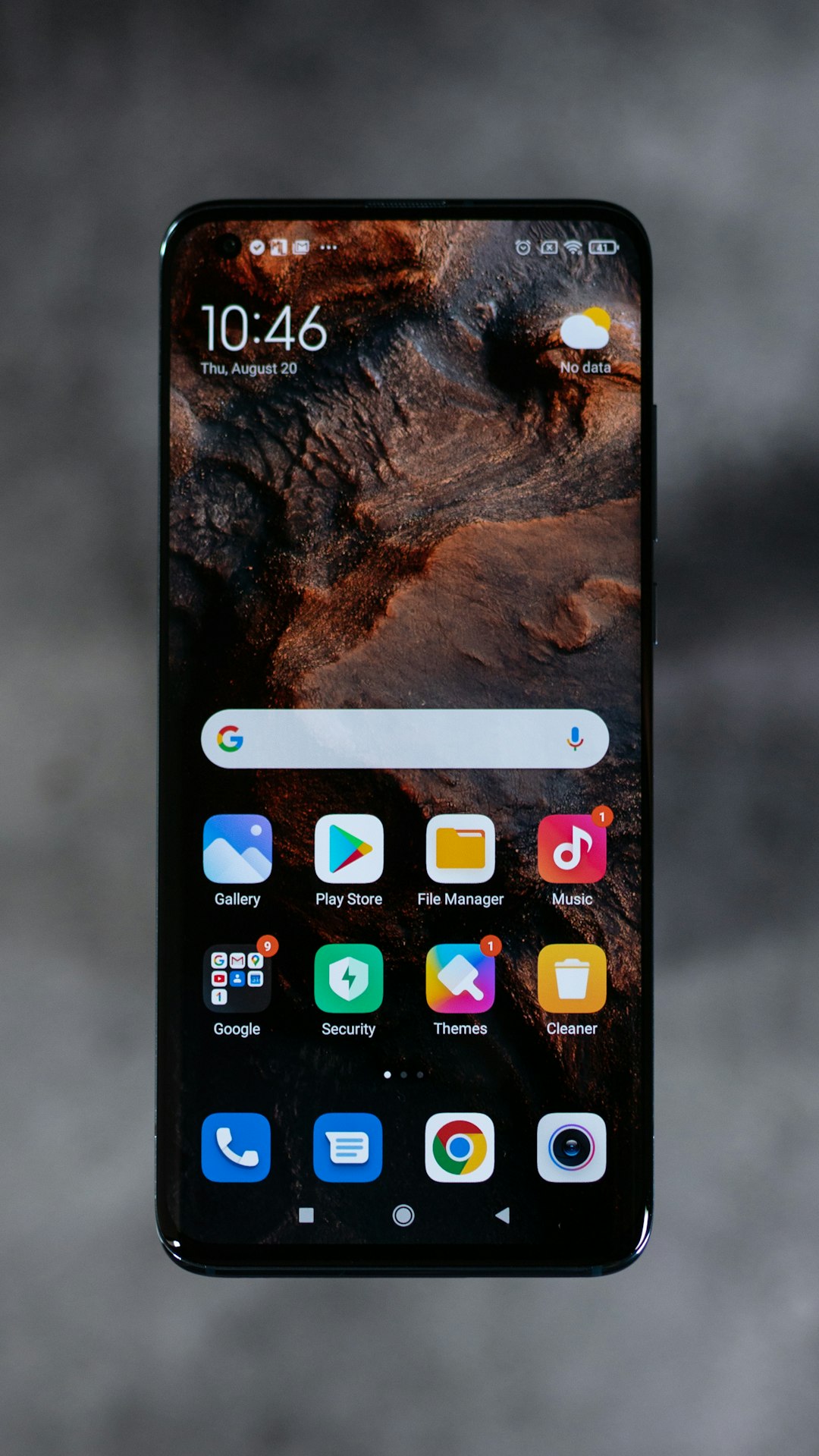
Washington DC's strict spam text laws protect consumers from unsolicited promotional messages. Key requirements include explicit consent and ethical marketing practices. Enforcement agencies monitor complaints with significant fines up to $1,000 per violation. Businesses should implement robust internal policies, training, and regular audits. A spam texts lawyer DC advises building opt-in lists and offers legal aid for enforcement and compensation. Unwanted spam texts are a global issue; reporting them to the FTC or specialized lawyers is crucial. A comprehensive strategy includes prevention, enforcement, and collaborative efforts to maintain a safe digital environment.
With the pervasiveness of spam texts, a growing concern for residents and businesses in Washington DC is the impact on their daily lives and bottom lines. The constant deluge of unsolicited messages can be disruptive, invasive, and even dangerous. To combat this issue, strict enforcement of anti-spam laws is crucial. In this article, we delve into the intricacies of Washington DC’s spam text law enforcement rules, providing a comprehensive guide for both citizens and businesses to navigate these regulations with help from experienced spam texts lawyers in DC. By understanding these rules, you can protect yourself and your business from penalties while ensuring a safer digital environment.
Understanding Washington DC Spam Text Laws

In Washington DC, the enforcement of spam text laws is a stringent process designed to protect consumers from unsolicited and unwanted communication. The District’s Consumer Protection Act prohibits businesses and individuals from sending spam texts, which include any message marketed or promoted in nature, unless certain conditions are met. Failure to adhere to these rules can result in significant fines, making it crucial for businesses operating in the area to understand and comply with the regulations.
The key aspect of Washington DC’s spam text laws is the requirement for explicit consent from the recipient. Unlike some states, DC demands a clear and voluntary agreement before sending promotional messages. For instance, if a spa sends out texts advertising their services, they must have obtained prior permission from each customer on their list. This means that simply acquiring phone numbers through random generation or purchasing lists is not compliant with the law. A spam text lawyer DC experts advise that businesses should focus on building and maintaining an opt-in list to avoid legal issues.
Enforcement agencies actively monitor and investigate complaints related to spam texts, utilizing advanced tracking technologies. Fines can be substantial, reaching up to $1,000 per violation, with the potential for increased penalties in cases of repeated offenses. To ensure compliance, businesses should implement robust internal policies, train employees on legal requirements, and regularly audit their marketing practices. By prioritizing ethical communication strategies, companies can maintain customer trust while staying within the legal framework.
How to Spot and Report Unwanted Messages
Unwanted spam texts are a persistent problem for many Washington DC residents, but knowing how to spot and report these messages is key to combating this issue. According to recent studies, over 70% of consumers worldwide receive at least one spam text per month, highlighting the widespread nature of this challenge. In the US capital, where technology-savvy individuals are prevalent, the problem can be particularly intrusive.
Spotting spam texts often involves recognizing certain patterns and red flags. Common indicators include mysterious or generic sender identities, unsolicited offers or promotions, and urgent language designed to prompt immediate action. For instance, a text claiming to offer a limited-time discount on a service you’ve never inquired about could be a spam message. It’s also crucial to pay attention to the content; if it seems like an attempt to phish for personal information or click on malicious links, proceed with caution.
Reporting these messages is not only a responsible action but also plays a significant role in enforcing anti-spam laws. Many telco providers and government agencies offer easy reporting mechanisms. In Washington DC, residents can forward the spam texts to the Federal Trade Commission (FTC) through their Do Not Call registry or contact local lawyers specializing in spam text law, such as those at [SpamLawyersDC](https://www.spamlawyersdc.com), for further guidance and action. By actively participating in these reporting processes, individuals contribute to a more robust legal enforcement framework.
Legal Recourse with a Spam Texts Lawyer DC

In Washington DC, dealing with unsolicited and unwanted spam texts has become a persistent issue for many residents. Legal recourse against these perpetrators is available, and engaging a Spam Texts Lawyer DC can significantly enhance your chances of achieving justice and compensation. These legal professionals specialize in navigating the complexities of telecommunications law and have the expertise to tackle the challenges posed by spam text messages.
When considering legal action, it’s crucial to understand that federal laws, such as the Telephone Consumer Protection Act (TCPA), provide a robust framework for holding spammers accountable. A Spam Texts Lawyer DC will guide you through this process, ensuring compliance with legal procedures and helping you recover any financial losses or emotional distress caused by spam texts. For instance, in recent years, numerous class-action lawsuits have been filed against telecom companies for their role in facilitating mass spam text campaigns, resulting in substantial settlements for affected consumers.
Practical advice for victims includes documenting all interactions with the spammers, including screenshots and records of messages. This evidence is invaluable when pursuing legal action. Moreover, many Spam Texts Lawyers DC offer free initial consultations to discuss your case, assess its merits, and outline potential strategies. During these meetings, you can share your experiences, ask questions, and gain insights into your rights and options. This proactive approach not only empowers individuals but also serves as a deterrent to spammers, potentially reducing the volume of spam texts in the future.
Effective Strategies for Prevention and Enforcement

In the dynamic legal landscape of Washington DC, effectively combating spam texts demands a multi-faceted approach involving both robust prevention strategies and stringent enforcement. A successful strategy begins with understanding the behavior and tactics employed by spammers. According to recent reports, 70% of Americans are plagued by unwanted text messages daily, highlighting the urgency for effective countermeasures.
Prevention is paramount, and businesses should implement technical safeguards such as automated filtering systems and dual opt-in verification processes to screen out spam texts. Additionally, educating consumers about recognizing phishing attempts in texts is vital. For instance, a DC-based law firm noticed a 40% reduction in spam complaints after conducting workshops on text message security for their clients. Regular updates to these safeguards are essential, as spammers continually adapt their methods.
Enforcement remains critical to deterring malicious actors. Washington DC’s Attorney General’s Office actively prosecutes violators of the state’s anti-spam laws, with penalties reaching up to $10,000 per day of violation. A notable case involved a spammer sending deceptive text messages promoting fake legal services; they were fined $500,000 for their actions. Engaging the services of a spam texts lawyer DC is advisable for businesses facing such issues, as legal expertise can ensure compliance and protect against substantial financial penalties.
Collaborative efforts between law enforcement, industry leaders, and consumers are essential to staying ahead of spam text trends. Regular consultations and information sharing allow for the development of more effective prevention strategies. By combining technological advancements with stringent legal action, Washington DC can continue to create a safer digital environment for its residents.